
Amazon FBA Trends 2026
Amazon’s Fulfilment by Amazon (FBA) program remains a central driver of e-commerce success in 2026. With more than 60% of sales in Amazon’s store coming from independent sellers—most of which are small and medium-sized businesses—Amazon continues to serve as a scalable, logistics-optimized engine for retail entrepreneurs. In 2025, more than 75,000 independent sellers surpassed $1 million in sales, while Amazon continues to expand its AI-powered seller tools and fulfillment capabilities. Sellers looking to optimize their supply chains can explore Amazon FBA sourcing strategies for efficient product procurement.
Independent sellers in the U.S. averaged more than $375,000 in annual sales in 2025, while more than 75,000 sellers surpassed $1 million in sales. These metrics reinforce FBA as a cornerstone of digital retail profitability, particularly for sellers focused on scalability, Prime eligibility and efficient fulfillment. In 2026, Amazon has also continued investing in forecasting, inventory placement, automation and faster delivery capabilities, while keeping the average U.S. FBA fee increase to approximately $0.08 per unit, or less than 0.5% of an average item’s selling price.
Automation: The Invisible Engine of 2026
Automation has matured from a tactical benefit to a strategic imperative. Top-performing sellers are now relying on advanced AI-driven tools such as:
- SellerApp, Helium 10, and Jungle Scout for demand forecasting
- Dynamic repricing engines for Buy Box wins
- FBA inventory management tools like SoStocked and RestockPro
Key Focus Areas:
1. Inventory Optimization
Real-time demand signals integrate with predictive analytics to minimize overstock and prevent restock limit penalties—a common constraint for high-volume sellers.
2. Algorithmic Pricing Intelligence
Tools like RepricerExpress dynamically adjust prices based on competitor behavior, shipping speed, and stock levels.
3. Customer Communication at Scale
AI-powered platforms such as ZonGuru and FeedbackWhiz manage review requests, refund inquiries, and customer loyalty campaigns.
Human + Machine: The Hybrid Seller Model
The myth of “set-it-and-forget-it” automation has faded. The future belongs to hybrid sellers who balance automation with strategic input in:
- Brand positioning
- Product research via Amazon Brand Analytics
- Listing optimization using A+ Content and Amazon Creative Services
These hybrid models unlock Contextual Responsiveness—where automation handles the repetitive, and human insight guides creativity, segmentation, and storytelling.
Emerging Trends Reshaping Amazon FBA
AI-Driven Self-Optimization
More than 50% of Amazon brands now employ AI for:
- Search term optimization
- Predictive inventory forecasting
- Dynamic keyword clustering (e.g., LSI, NLP grouping)
- Customer segmentation and remarketing
AR/VR Commerce & Voice Search
Voice assistants like Amazon Alexa are driving a shift toward natural language search and zero-click purchases. Simultaneously, AR/VR tools allow virtual try-ons in categories like furniture, apparel, and home improvement, impacting both conversion rates and customer retention. Staying ahead of these innovations is key in Amazon FBA trends.
Short-Form Video & Social Commerce
Channels like TikTok Shop, YouTube Shorts, and Instagram Reels are evolving into powerful ecommerce drivers. Amazon’s own Amazon Live and Brand Follow programs provide real-time, immersive storytelling experiences.
Q-Commerce and Sustainability
With the rise of Quick Commerce (Q-Commerce) platforms like Getir, Gopuff, and Amazon Fresh, consumers expect deliveries within hours. Simultaneously, products tagged with the Climate Pledge Friendly label are seeing a 14–19% higher click-through rate, emphasizing the increasing commercial value of sustainability.
The Tougher Terrain: 2026 FBA Challenges
- Rising Costs: Storage fees, FBA removal charges and CPC rates on Amazon Ads continue to escalate.
- Inventory Limitations: Changes to the Inventory Performance Index (IPI) affect how much stock sellers can send to FBA.
- Policy Volatility: Shifts in Terms of Service (ToS), category gating, and platform algorithms necessitate constant vigilance.
Key tools for navigating these include:
- Amazon Seller Central notifications
- Marketplace Pulse for real-time trends
- Amazon Brand Registry for protection against hijackers and counterfeiters
To navigate these growing complexities, many international Amazon sellers are partnering with sourcing experts like Handmade Product Sourcing India for Amazon sellers or India vs China sourcing to secure reliable manufacturers and competitive advantages.
Strategic Imperatives for FBA Sellers in 2026
Advanced Listing & Ad Optimization
- Use Amazon Attribution to analyze cross-channel ROI
- Implement A/B split testing via Manage Your Experiments
- Leverage Amazon’s Creative Assets Library for branded storytelling
Smart Inventory & Fulfilment Strategy
- Combine FBA with FBM or SFP (Seller Fulfilled Prime) for flexibility
- Utilize third-party logistics (3PL) partners like ShipBob, Deliverr, or Flexport
- Adopt ERP systems integrated with Amazon API for unified forecasting
Post-Purchase and Retention Excellence
- Embed QR codes in packaging to drive traffic to your DTC site
- Launch repeat-buyer incentive programs
- Analyze return reasons to proactively improve product quality
Conclusion: Amazon FBA in 2026 Is No Place for Passive Sellers
To dominate Amazon FBA in 2026, brands must combine automation with strategic input, embrace emerging tech and master the EAV (Entity-Attribute-Value) structure in every decision. Now Amazon is not just about inventory or sales—it’s about becoming a contextually relevant, responsive, and semantically authoritative brand.
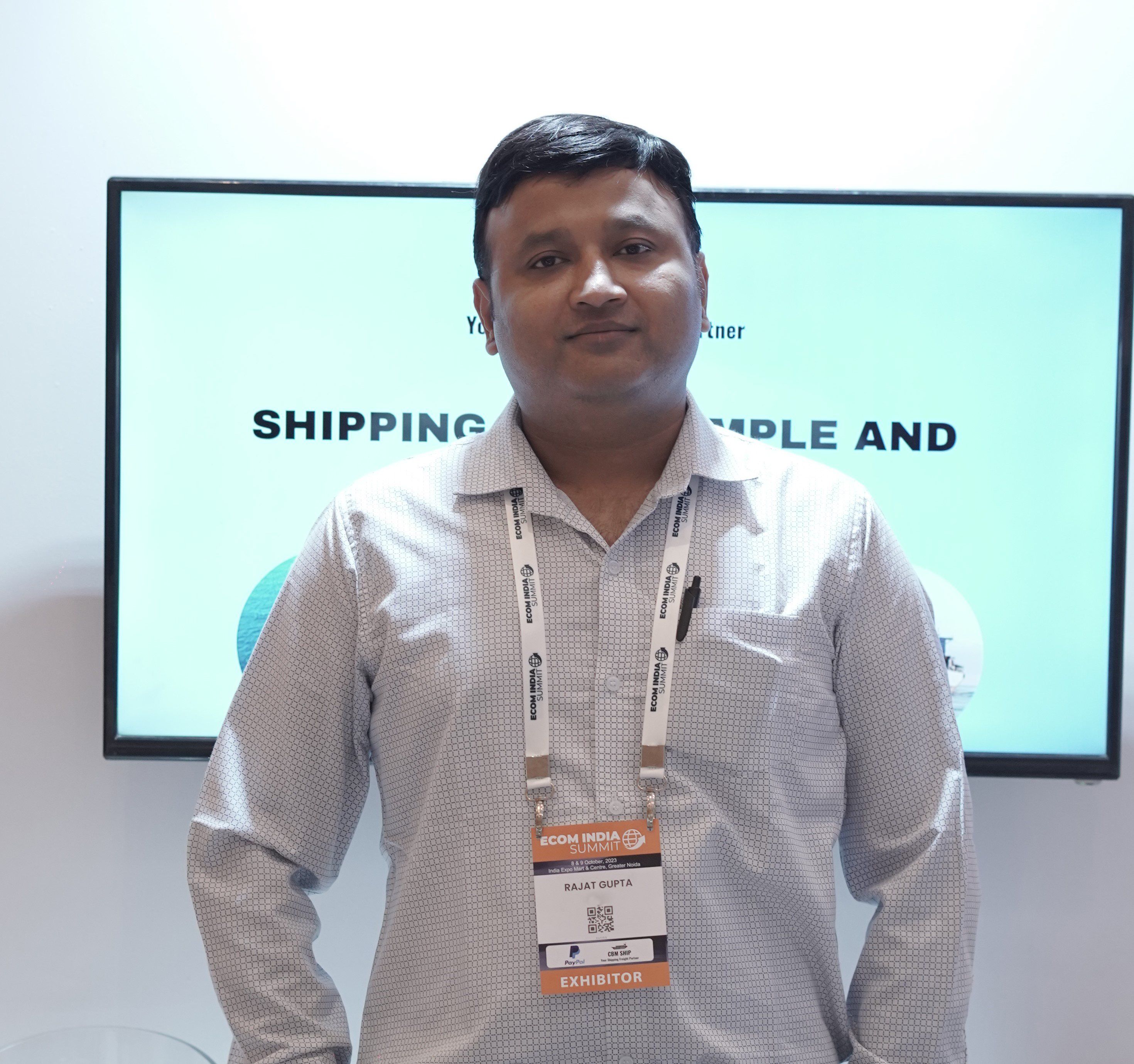
Written by Rajat Gupta
Panoramic Sourcing
Rajat Gupta is the co-founder of Panoramic Sourcing and heads the Marketing Department. With 25+ years of experience, he helps international buyers, especially from the U.S., find reliable manufacturers in India. His focus is on building strong supplier relationships and making sourcing smooth and transparent.