
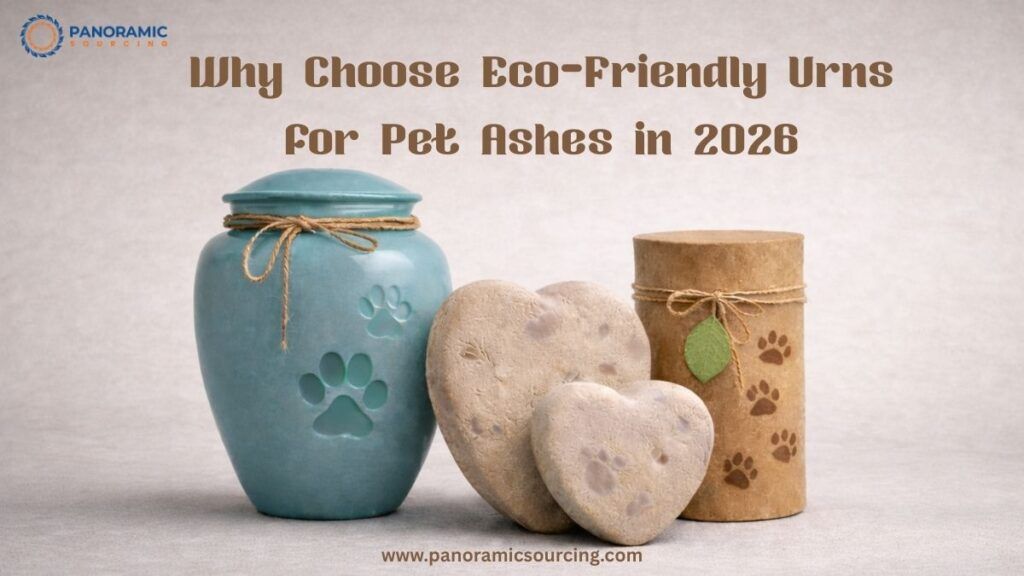
Why Choose Eco-Friendly Urns for Pet Ashes in 2026
For many families, the companionship of a pet represents unconditional love, emotional stability and shared routines that quietly shape everyday life. In 2026, the way this bond is honored at the end of life is evolving with greater intention and environmental awareness. As sustainability becomes central to personal decision-making, memorial practices are also being reconsidered. Today, Pet Ashes are no longer viewed simply as remains to be stored, but as an opportunity to create a respectful, earth-conscious legacy.
Moving away from resource-intensive memorial traditions reflects a broader global shift toward conscious living. Choosing Eco-Friendly Urns allows families to honor their companions while protecting the same natural environments—parks, forests, gardens and coastlines—where pets once found joy. For modern pet owners, thoughtful care after cremation has become an extension of responsible guardianship rather than an alternative approach.
The Emotional Reasons Behind Choosing Eco-Friendly Urns for Pet Ashes
Deciding how to memorialize a pet after cremation is one of the most personal choices an owner will make. Historically, options were limited to containers designed primarily for storage rather than meaning. While functional, these solutions often felt disconnected from the emotional bond shared.
In recent years, families have begun seeking memorials that feel intentional and emotionally aligned. Rather than placing remains out of sight, many now prefer tributes that integrate with nature or reflect the pet’s personality. This shift is driven by a desire for remembrance that feels active and healing. Selecting a thoughtfully designed Urn for Pet remembrance helps families find comfort in knowing their final act of care supports renewal rather than permanence.
Understanding Soil Health and the Environmental Impact of Pet Ashes
A major factor influencing sustainable memorial choices is a better understanding of soil chemistry. Cremated remains are often assumed to behave like wood ash, but in reality, they consist primarily of mineralized bone fragments. These minerals are naturally alkaline and contain elevated levels of calcium and sodium.
When introduced directly into soil without preparation, this composition can interfere with plant growth. Modern biodegradable urn systems address this challenge by incorporating organic buffering agents that gradually balance soil pH. This ensures that remains reintegrate safely, supporting soil health rather than disrupting it. The result is a memorial approach that nurtures the environment instead of harming it.
Bio-Conversion: How Eco-Friendly Urns Transform Pet Ashes into Renewal
Sustainable memorials in 2026 are designed to do more than contain remains. Many are built around the principle of bio-conversion. Instead of isolating cremated material, these urns combine it with organic matter and soil conditioners that support natural transformation.
Over time, essential minerals become bio-available, allowing trees, shrubs and flowering plants to draw nourishment from the memorial site. When this process is thoughtfully designed, remembrance becomes regenerative—creating a living tribute that continues to grow rather than ending at the point of farewell.
Modern Eco-Friendly Urn Materials Designed for Pet Ashes in 2026
The materials used in contemporary memorial urns reflect a commitment to low-impact design and ethical sourcing. Rather than mass-produced containers, families are increasingly choosing vessels crafted from natural, biodegradable materials that return gently to the environment.
Mycelium Urns for Pet Ashes
Mycelium, the root structure of fungi, has emerged as one of the most innovative materials in sustainable memorial design. These urns are lightweight, durable during handling and naturally integrate with forest soil after burial. When remains are placed inside, fungal networks help accelerate decomposition while enriching surrounding ecosystems.
Pressed Peat and Seed-Based Urns
Pressed peat urns embedded with wildflower or native plant seeds are ideal for garden memorials. As the container biodegrades and contents blend with the soil, seeds germinate and bloom season after season. This creates a visible, living symbol of renewal.
Unglazed Hand-Thrown Clay Urns
Unfired clay urns dissolve gradually when exposed to moisture. Unlike fired ceramics that persist indefinitely, these vessels allow cremated material to return naturally to the earth, leaving behind only minerals and memory. These material innovations are reshaping expectations around Pet Urns for Ashes.
Global Perspectives on Pet Aftercare and Memorial Practices
While the United States leads in personalized pet aftercare, sustainable memorial practices are expanding worldwide. In the UK and parts of Europe, conservation burial programs allow families to place remains in protected woodland areas, with fees supporting reforestation and biodiversity efforts.
In India, traditional artisan communities are adapting time-honored craftsmanship to produce biodegradable bamboo and fiber-based memorial vessels. These designs enable dignified ceremonies while eliminating plastic waste, making eco-conscious memorials accessible across cultures.
The Humanization of Pets and Changing Expectations for Pet Ashes Memorials
By 2026, pets are widely recognized as family members rather than possessions. This cultural shift has reshaped expectations around memorialization. When families receive remains from a veterinarian or crematorium, they increasingly seek vessels that feel warm, personal and reflective of the bond shared.
Handcrafted biodegradable designs allow families to tell a story rather than simply store remains. Each choice becomes a reflection of the pet’s life, personality and role within the family, moving beyond the idea of a purely functional Urn Pet container.
Panoramic Sourcing and Ethical Manufacturing of Urns for Pet Ashes
Panoramic Sourcing works at the intersection of global sourcing and responsible production. As sustainability expectations rise in 2026, memorial products are increasingly evaluated not only on design, but on how transparently and ethically they are made. Through long-standing relationships with artisan clusters and manufacturing partners, the focus remains on identifying suppliers committed to environmentally responsible materials and consistent production standards.
Quality Vetting and Material Verification
When sourcing memorial urns, raw materials, finishes and production methods are carefully reviewed. Priority is given to biodegradable inputs, water-based adhesives and non-toxic surface treatments to ensure alignment with international environmental expectations.
Sourcing with Sensitivity
Memorial products carry emotional significance. Each urn intended for remembrance is approached with care, recognizing the responsibility involved in handling cremated remains. Ethical sourcing practices help ensure that families receive products that reflect dignity, craftsmanship and respect.
Navigating Legal Considerations in 2026
As eco-friendly memorial practices gain acceptance, regulatory awareness has become increasingly important. In the United States, many states now support sustainable burial options, though scattering remains in public spaces may still require permits.
Biodegradable urns are often favored by land managers because they leave no permanent trace. Families are encouraged to review local guidelines before selecting a memorial location to ensure environmental and legal compliance.
For verified guidance on environmentally responsible burial, scattering practices and biodegradable memorial standards, refer to the Green Burial Council.
The Emotional Benefits of Eco-Conscious Tributes
Beyond environmental considerations, sustainable memorials offer meaningful psychological benefits. For many owners, the idea of indefinitely storing remains in metal or plastic containers feels restrictive. Returning them to nature provides a sense of release, continuity and peace.
Watching a tree grow from a memorial site or witnessing a natural dissolution ceremony offers a powerful representation of transformation. Grief shifts from finality toward renewal, reinforcing the idea that love continues in different forms.
Conclusion
Choosing sustainable memorial options in 2026 is about more than environmental responsibility—it is about intention. By selecting materials that reintegrate naturally into the environment, families ensure their pets leave behind a legacy rooted in care rather than waste.
Through thoughtful design, ethical production and evolving memorial practices, eco-conscious urns provide a respectful way to say goodbye—one that honors both the bond shared and the world that made it possible.
FAQs
1. Are biodegradable Urns safe to use in a home garden?
Yes. When designed correctly, biodegradable urns include natural materials that help neutralize soil alkalinity and support microorganisms, making them suitable for garden settings without harming plants or soil health.
2. How long does an Eco-Friendly Urns take to decompose?
Decomposition timelines vary by material and environment. Mycelium and peat-based urns typically break down within months, while unfired clay vessels may take longer depending on moisture and soil conditions.
3. Can cremated remains be divided between different memorial options?
Yes. Many families choose to divide remains so that one portion can be used for a natural burial or planting ceremony, while another is kept in a keepsake container or used for scattering.
4. Are water-based memorial ceremonies environmentally responsible?
They can be, provided the urn is specifically designed for water use. Properly engineered biodegradable urns dissolve naturally and leave no harmful residue in marine or freshwater environments.
5. What should buyers look for when sourcing sustainable memorial urns?
Key considerations include material transparency, use of non-toxic adhesives, ethical manufacturing practices and confirmation that the urn will biodegrade without leaving synthetic residue.